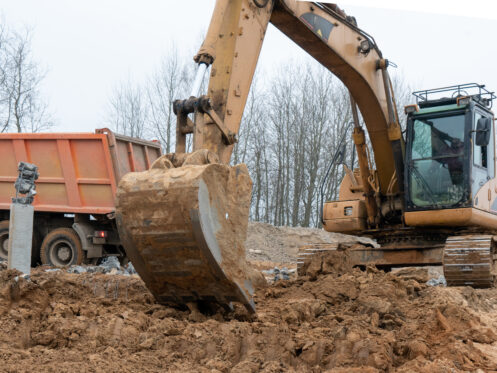
Excavating is necessary for everything from trenched underground lines to residential foundations and commercial construction sites. When the temperature outside drops and the ground begins to freeze over, it can create more hazardous conditions for workers. Excavation during winter requires additional planning, specialized equipment, and professional expertise to ensure safety, efficiency, and lasting project results.
Adverse Soil Conditions
When the temperature outside drops below freezing, the water in the soil will freeze up. This turns the soil into a denser material that is somewhat rock-like. The longer freezing temperatures persist, the deeper frost penetrates the soil.
In Springfield’s northern climate, the frost line can reach down to two feet. This can make it more challenging for standard excavation tools to penetrate the soil. Without adequate penetration, thermal or mechanical thawing methods may be necessary.
Another thing to keep in mind is that frozen soil can cause heaving and lifting of the ground. This happens because, as water freezes, it expands. This can disrupt nearby structures like foundations and utility lines. It’s always vital that any project takes heaving into consideration to prevent unwanted post-construction settlement.
When soil is frozen, it can be very solid. However, as it thaws out, it can become unstable. This happens most often when excavation sites are left open through a freeze-thaw cycle. This increases the possibility of collapse, especially in soils that are silt or clay-heavy. That’s why proper timing and safety precautions—such as sloping—are essential during winter excavation.
Equipment Performance
While there’s no doubt that a lot of heavy equipment is constructed to work in low-temperature conditions, it’s still important to note that extreme cold can have a big impact. Batteries can lose their overall operating capacity, metal components can become more brittle, and hydraulic fluid can thicken, which significantly decreases flow rate. This puts excess strain on the pumps and valves inside the machine, which can lead to an increased breakdown risk.
Heavy equipment that runs on diesel fuel is more prone to having problems in cold weather conditions. This is because diesel fuel can gel in freezing temperatures. This can cause clogging in the starting system and filters, which will prevent the equipment from starting properly. Any equipment that has rubber tires will have an increased risk of slipping on icy surfaces. In extreme cold, rubber components can stiffen or crack.
Worker Safety and Site Productivity
There’s no doubt that working in the construction industry puts workers at a higher safety risk than other industries. When you add cold conditions on top of that, it can increase injury risk even further. Issues like fatigue, frostbite, and reduced visibility due to adverse weather conditions can cause serious complications.
Cold conditions can reduce dexterity and slow reaction times because bulky clothing limits fine motor skills and the body tires more quickly. Apart from just affecting the body, colder weather can lead to other site hazards. These include things like snow accumulation, ice, and even frozen ground. Even the icy spoil piles from excavating can collapse unexpectedly.
Apart from worker safety, cold weather can also reduce site productivity. Equipment takes much longer to start, and removing soil takes more time, as heavy machinery tends to operate at a reduced efficiency level. Furthermore, it’s common for workers to experience shorter shifts during colder conditions for health and safety reasons.
Necessary Thawing and Heating Methods
When frost extends deeper than expected, contractors often use various thawing methods to soften the ground before digging. The particular technique that’s best to use will be dependent on your unique project and the resources that we have available for you.
Ground Thawing Blankets
One of the first methods we can use is a hydronic or electric ground thawing blanket. This uses either a heating element or warm water to raise the temperature of the soil. This approach is ideal for shallow excavations for things like utility repairs or putting in small footings. This method of thawing takes several hours to a few days, depending on the depth of the frost at the time of construction. It also requires continuous power.
Thermal Tents and Heaters
When it comes to larger construction projects, thermal tents and heaters are an ideal option. These provide heated enclosures that trap warmth over the actual excavation site. We can use diesel or propane heaters to circulate warm air through the tent, which follows the ground gradually. It’s important to know that thermal tents and heaters can be an expensive option and require strict ventilation to prevent any toxic carbon monoxide buildup in the tent.
Steam or Hot Water Injection
A quick technique for melting ice is to inject steam or hot water directly into the soil. This can be very effective for deep frost conditions. However, this is a very labor-intensive and costly process that’s typically reserved for more immediate and emergency situations.
Frost Teeth or Rippers
Another relatively quick option is to go with heavy machinery with the appropriate frost teeth or rippers. This allows it to break through the frozen layers mechanically. However, this particular method increases the wear and tear on the construction equipment and increases fuel costs.
Managing Drainage
Another big problem with excavating in the wintertime is that you have to properly manage your water and drainage throughout the entire process. Water can pose a big threat during cold weather conditions, as it can put unnecessary pressure on trench walls and even foundations. This can distort formwork, push rebar out of place, and even crack concrete.
As snowmelt occurs, it’s important to actively drain it from the construction site before it has the possibility of freezing overnight. Refreezing hazards are a big concern, as they can lead to an ice lens that’s hard for construction workers to see. Also, it’s necessary to grade the surrounding area around the construction site to direct runoff away from the working area while preventing erosion.
Importance of Choosing an Experienced Professional
If you’re thinking about excavation during the colder winter months, it’s important to hire an experienced professional. Our team has extensive knowledge in handling wintertime freezing conditions. We can assess your project and help you determine whether or not it makes financial sense to complete it during the winter months. Our team will take the time to do a thorough assessment of your site, understand your needs, and determine specific hazards that your project may possess. It’s our goal to provide you with clear information so that you can make the best decision for you.
Expert Excavating Services
Reed’s Plumbing, Excavating, Septic, Heating & Air offers expert excavating services for the Springfield, MO area. We can also assist with all your plumbing, drain and sewer, grease trap, and septic system needs. Additionally, we offer service memberships to help address maintenance needs.
Just phone our office today to book your next service appointment with one of our helpful professionals, and our experienced technicians will handle your project with precision, care, and attention to detail, ensuring dependable results even in the most challenging winter conditions.

 Today!