Serving Springfield, MO and Surrounding Areas


4.8 Google Rating
Spring Floods & Sewer Backups: Why Excavation is Often the Only Permanent Solution

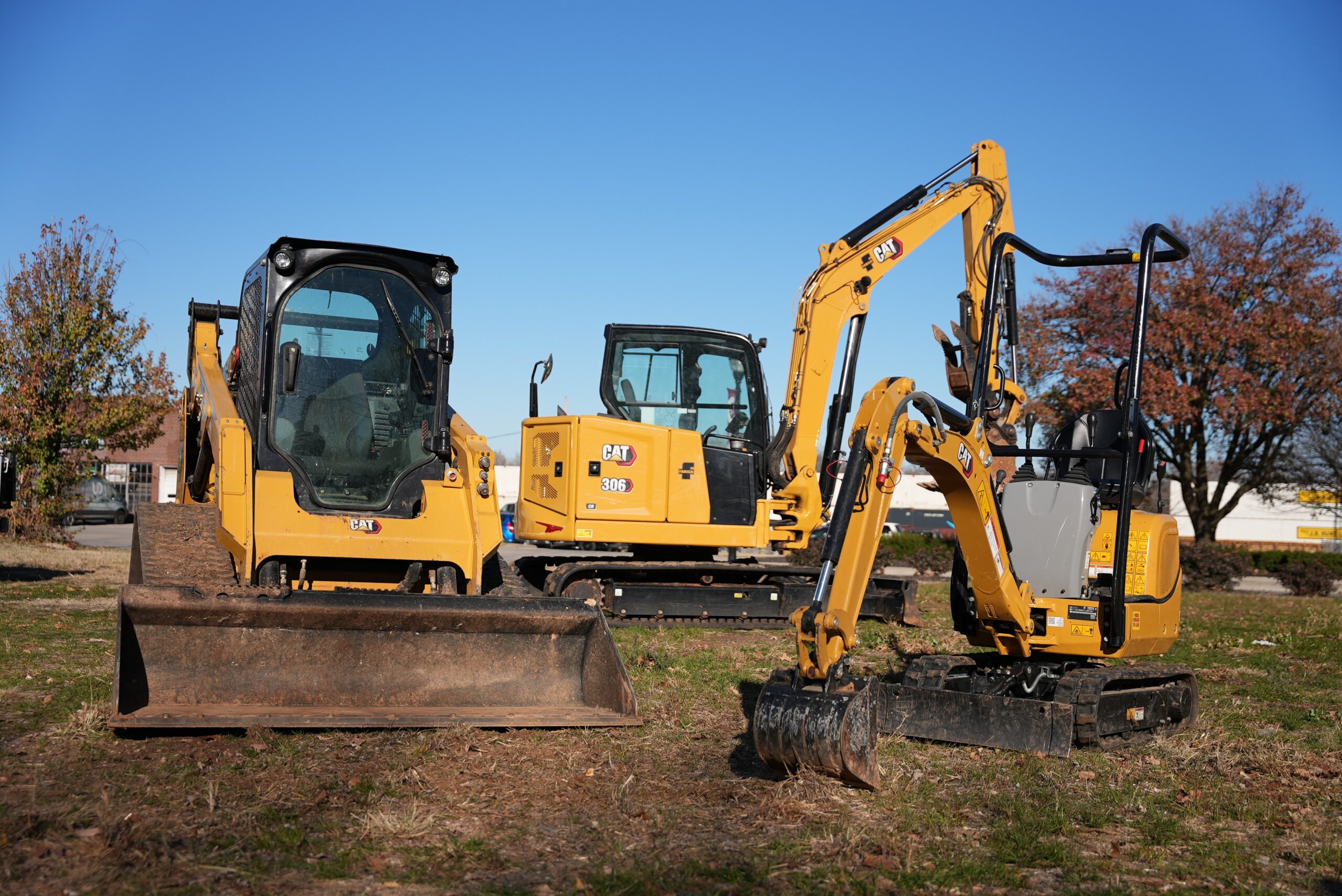
Spring flooding often exposes sewer line problems that have been developing underground for months or even years. When backups are caused by collapsed pipes, root intrusion, sagging lines, or damaged underground connections, excavation is often the only permanent way to restore proper flow and prevent repeat sewage problems.
A sewer backup rarely starts as a dramatic emergency. More often, it begins with a slow drain, a gurgling toilet, a wet patch in the yard, or wastewater showing up where it should not. Then spring storms arrive, the ground becomes saturated, and a plumbing problem that seemed manageable suddenly turns into a major mess.
That is what makes spring so costly for homeowners. Heavy rain does not cause every sewer problem, but it often reveals those already hiding underground.
In this guide, you will learn why spring floods and sewer backups often go together, when drain cleaning is not enough, and why excavation is sometimes the only real long-term fix for a damaged sewer line.
Why Do Sewer Backups Get Worse in Spring?
Spring often brings heavier rainfall, saturated soil, and more pressure around underground pipes. When a sewer line is already cracked, offset, sagging, root-filled, or partially collapsed, extra groundwater and seasonal stress can make drainage problems much worse.
In other words, spring weather often exposes damage that was already there. The pipe may have been deteriorating for a long time, but flood conditions are what push it past the point where the problem can no longer be ignored.
What Causes a Sewer Backup During Flooding?
Not every sewer backup has the same cause. In some homes, the problem is temporary and caused by a blockage that can be cleared. In others, the backup keeps returning because the pipe itself is damaged.
Common causes include:
- Tree root intrusion
- Collapsed or cracked sewer lines
- Bellied pipe sections that hold waste and water
- Separated joints
- Severe buildup that narrows flow
- Pipe corrosion in older systems
- Ground shifting around buried lines
- Storm-related saturation that exposes weak points in the system
When the pipe’s structure fails, the problem is no longer just a clog. It is an underground pipe issue that needs a more permanent solution.
When Is Drain Cleaning Not Enough?
Drain cleaning can work well when the issue is limited to buildup or a removable obstruction. But it is not a permanent repair for a broken sewer line.
A backup is more likely to need excavation when:
- The same drain problem keeps coming back
- Multiple fixtures are backing up
- Sewage returns after previous clearing
- Roots keep re-entering the line
- The yard has soggy areas or sewage odors
- A sewer camera inspection shows structural damage
- There is evidence of pipe collapse, separation, or grade failure
In these situations, clearing the line may temporarily restore flow, but it does not address the reason the sewer line keeps failing.
Why Is Excavation Sometimes the Only Permanent Solution?
Excavation becomes necessary when the damaged section of pipe must be reached, removed, and replaced. If the sewer line has collapsed, shifted, broken apart, or experienced severe root intrusion through damaged joints, surface-level fixes will not restore the pipe’s structural integrity.
That is why excavation is often the only permanent solution for:
- Collapsed sewer lines
- Severely cracked or broken pipe
- Pipe sections with major bellies or grade failure
- Long stretches of root-damaged line
- Sewer lines that have separated or shifted underground
- Underground plumbing that cannot be reliably rehabilitated
When the pipe itself is compromised, the only way to create a lasting repair is to access the damaged area directly and correct it at the source.
What Are the Warning Signs of a Bigger Underground Sewer Problem?
Homeowners often get warning signs before a major backup happens. The problem is that these signs are easy to dismiss until heavy rain worsens them.
Common red flags include:
- Slow drains in more than one fixture
- Toilets that gurgle or bubble
- Water backing up into tubs or floor drains
- Sewage smells inside or outside the home
- Wet or sunken areas in the yard
- Unusually green patches of grass over the sewer line
- Repeated drain clearing with only short-term improvement
- Backups that happen after rainstorms
If these symptoms keep recurring, the problem may be more than a simple clog in the drain.
Why Is “Wait and See” So Expensive?
The hidden cost of waiting is that underground sewer problems almost never fix themselves. They get worse.
A damaged line can lead to:
- Emergency plumbing visits
- Sewage cleanup inside the home
- Damage to flooring, drywall, and personal belongings
- Repeated service calls that never solve the real issue
- Larger excavation later
- Yard damage from underground leaks or pipe failure
Sewer backups also raise contamination concerns, making cleanup more complicated and urgent. What starts as a drainage issue can quickly become a sanitation issue, a property damage issue, and a much bigger repair bill.
The real cost is not just the pipe repair itself. It is the cleanup, disruption, and repeated failure that come from delaying the right fix.
Can Flooding Damage the Sewer Line Itself?
Yes. Saturated soil and ground movement can put more stress on older or already weakened sewer lines. If the pipe has preexisting cracks, poor joints, corrosion, or weak bedding, flood conditions can worsen those problems.
Even when rain is not the original cause, it can be the event that turns a hidden defect into an active backup, underground leak, or yard problem.
That is why spring weather often brings long-standing sewer issues to the surface.
How Do Plumbers Know Whether Excavation Is Needed?
Excavation should not be a guess. It is typically recommended after the sewer problem has been diagnosed clearly.
That process may include:
- Reviewing the pattern of backups
- Checking whether multiple drains are affected
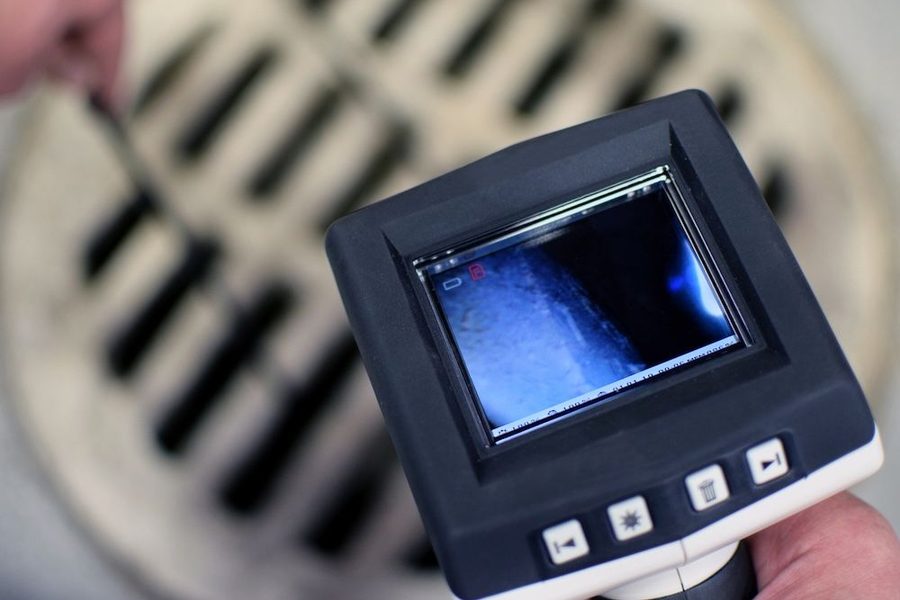
- Inspecting the sewer line with a camera
- Looking for recurring root intrusion or broken sections
- Identifying collapse, separation, sagging, or grade issues
- Determining whether cleaning or spot repair can realistically solve the problem
If the line is structurally unsound, excavation is recommended because the goal is not just to get the drain moving today. It is to stop the backup from returning.
Is Excavation Better Than Repeated Temporary Fixes?
When the sewer line is damaged, yes.
Repeated temporary clearing may cost less in the moment, but it often becomes more expensive over time if the pipe continues to fail. If a homeowner pays for multiple drain cleanings, multiple emergency visits, and eventually a sewage cleanup, the cheaper option quickly becomes expensive.
Excavation is more involved, but when it addresses the failed section directly, it is often the solution that finally ends the cycle of repeat backups.
Quick Summary: When Excavation Is the Permanent Fix
To summarize:
- Spring rain often exposes existing sewer line problems
- Backups are not always caused by removable clogs
- Broken, collapsed, root-damaged, or sagging lines usually need more than drain cleaning
- Excavation is often the only permanent solution when the pipe itself has failed
- Acting early can help prevent sewage damage, repeat backups, and larger repair costs
Do Not Let Spring Rain Turn a Sewer Warning Sign Into a Disaster
A slow drain or occasional backup may not seem urgent at first, but spring flooding has a way of turning hidden sewer problems into expensive emergencies. When the line underground is damaged, temporary fixes only buy time.
Reed’s Plumbing, Excavating, Septic, Heating & Air can inspect the issue, identify whether the problem is structural, and recommend the right long-term solution for your property. If your home is showing signs of a sewer problem this spring, contact Reed’s Plumbing, Excavating, Septic, Heating & Air to schedule an inspection.
Schedule now
Call reed’s today!
Need help with your home systems? Reed’s makes it simple to get the service you need with fast response times and a team that puts your comfort first.