Serving Springfield, MO and Surrounding Areas


4.8 Google Rating
HVAC Efficiency in High Humidity: How Springfield Homeowners Can Combat Mold and Rising Energy Costs

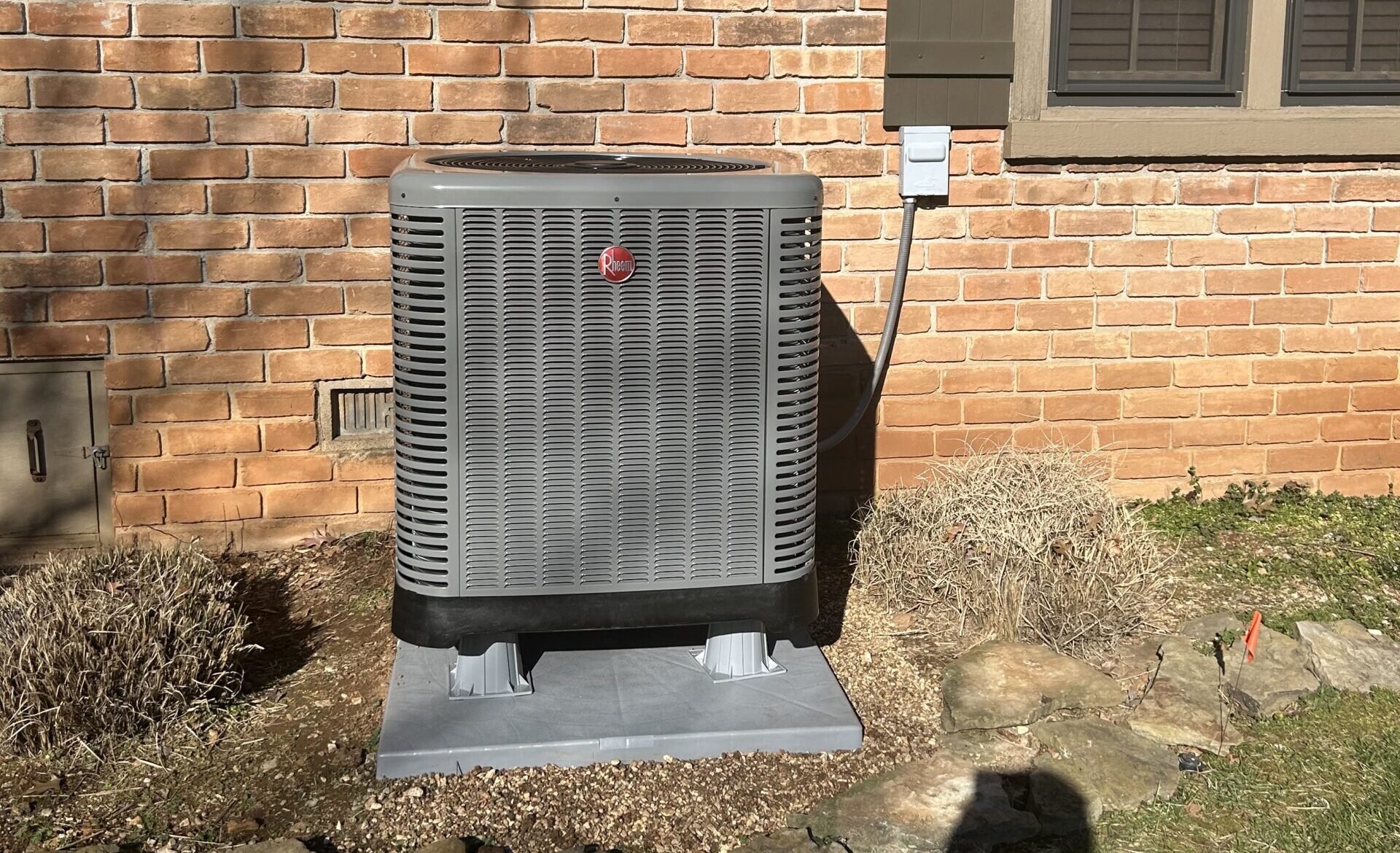
High humidity makes your HVAC system work harder because the air conditioner has to remove both heat and moisture from the air. For Springfield homeowners, poor humidity control can lead to longer run times, higher energy bills, musty odors, mold concerns, and a home that still feels uncomfortable even when the thermostat is set to a low temperature.
When your home feels sticky, smells musty, or never seems to cool evenly, the problem may not be the temperature alone. High indoor humidity can make your air conditioner run longer, strain your HVAC system, and create the kind of damp conditions where mold and mildew are more likely to develop.
Springfield homeowners often deal with humid summers, heavy rain, crawl space moisture, basement dampness, and temperature swings that make indoor comfort harder to control. If your AC is running but your home still feels muggy, your system may be struggling with moisture as much as heat.
In this guide, we’ll explain how high humidity affects HVAC efficiency, why it can increase energy costs, how moisture contributes to mold concerns, and when Reed’s Plumbing, Excavation, Septic, Heating & Air can help improve whole-home comfort.
Why Does High Humidity Make Your Home Feel Warmer?
Humidity affects how comfortable you feel in your home. When the air is too humid, sweat does not evaporate as easily from your skin. That makes the home feel warmer than the thermostat reading suggests.
High humidity can make your home feel:
- Sticky
- Heavy
- Stuffy
- Damp
- Warmer than the set temperature
- Uncomfortable after the AC shuts off
- Uneven from room to room
This is why many homeowners keep lowering the thermostat. The AC may be cooling the air, but if humidity remains high, the home can still feel uncomfortable. That leads to longer run times, more wear on the system, and higher energy use.
How Does Humidity Affect HVAC Efficiency?
Your air conditioner removes some humidity during the cooling process. Warm indoor air passes over the cold evaporator coil, moisture condenses, and that water drains away through the condensate line.
When humidity is too high, the AC has to work harder to manage both cooling and moisture removal. If the system is not sized, maintained, or operating correctly, humidity may stay trapped in the home.
High humidity can reduce HVAC efficiency by:
- Making the AC run longer
- Increasing energy use
- Putting more strain on system components
- Making rooms feel warmer than they are
- Causing short cycling if the system is oversized
- Reducing comfort between cooling cycles
- Increasing wear on the blower motor and compressor
- Making homeowners lower the thermostat more often
An efficient HVAC system should help manage both temperature and moisture. If your home is cool but still muggy, the system may need inspection, maintenance, or upgrades to control humidity.
Can High Humidity Increase Energy Bills?
Yes. High humidity can raise energy bills because your HVAC system has to work harder to keep the home comfortable. Even if the thermostat setting does not change, humid air can make your home feel warmer, causing the AC to run more often or for longer periods.
Humidity-related energy problems may show up as:
- Higher summer electric bills
- AC running constantly
- Thermostat set lower than usual
- Rooms that never feel cool enough
- Uneven cooling
- Frequent cycling
- Poor airflow
- Long recovery times after hot afternoons
If your energy bills keep rising but your comfort is not improving, humidity could be part of the problem. The issue may also involve dirty coils, clogged filters, refrigerant problems, leaking ducts, poor insulation, or an aging HVAC system.
Can High Humidity Cause Mold in the Home?
High humidity does not guarantee mold, but it can create conditions where mold and mildew are more likely to grow. Mold needs moisture to develop. When indoor air stays damp, surfaces and materials can hold moisture longer.
Humidity-related mold concerns may appear near:
- Bathrooms
- Basements
- Crawl spaces
- Laundry rooms
- Closets
- Around windows
- Near air vents
- Inside ductwork
- Behind furniture
- Around plumbing leaks
- Near condensate drain issues
Signs that humidity may be contributing to mold include:
- Musty odors
- Dark spots on walls or ceilings
- Damp carpet
- Condensation on windows
- Peeling paint
- Warped wood
- Allergy-like symptoms indoors
- Mildew around vents or bathrooms
- A persistent damp feeling in the home
If you see visible mold or smell a strong musty odor, the moisture source should be addressed quickly. Cleaning the surface may not solve the problem if humidity, leaks, or HVAC issues continue.
Why Does My AC Run but the House Still Feels Muggy?
If your AC is running but your home still feels muggy, the system may not be removing enough moisture from the air. This can happen even when the thermostat temperature looks normal.
Common reasons include:
- Oversized AC system
- Short cooling cycles
- Dirty evaporator coil
- Clogged air filter
- Poor airflow
- Leaky ductwork
- Low refrigerant
- Blocked condensate drain
- Poor insulation
- Crawl space moisture
- Basement humidity
- Too much outdoor air leaking into the home
An oversized air conditioner is a common cause of comfort problems. It may cool the air quickly, then shut off before it has enough time to remove moisture. The result is a home that feels cool for a moment but quickly becomes sticky again.
How Can Springfield Homeowners Reduce Indoor Humidity?
Reducing humidity starts with controlling moisture sources and making sure the HVAC system is working properly. Some improvements are simple, while others require professional service.
Homeowners can help reduce humidity by:
- Replacing dirty HVAC filters regularly
- Scheduling seasonal AC maintenance
- Running bathroom exhaust fans during showers
- Using kitchen ventilation while cooking
- Keeping windows closed on humid days
- Repairing plumbing leaks quickly
- Checking for crawl space moisture
- Keeping gutters and downspouts clear
- Making sure the condensate drain is clear
- Sealing obvious air leaks
- Improving attic or crawl space insulation
- Avoiding extreme thermostat swings
If these steps do not improve comfort, the home may need professional humidity control, duct repairs, system adjustments, or equipment upgrades.
Does HVAC Maintenance Help Control Humidity?
Yes. Regular HVAC maintenance can improve humidity control by helping the system move air properly, cool efficiently, and drain condensation correctly.
An HVAC maintenance visit may help identify:
- Dirty coils
- Clogged filters
- Weak airflow
- Drain line clogs
- Refrigerant issues
- Blower problems
- Duct leakage
- Thermostat problems
- Short cycling
- Poor system performance
When airflow is restricted, the AC may struggle to remove moisture. When the condensate line is blocked, water may back up or increase moisture around the system. When the refrigerant is low, the system may not cool or dehumidify properly.
A well-maintained system is better equipped to handle humid weather without wasting energy.
Would a Whole-Home Dehumidifier Help?
A whole-home dehumidifier can be a strong solution for homeowners with persistent humidity problems. Unlike portable units, a whole-home dehumidifier is designed to manage moisture across the entire living space.
A whole-home dehumidifier may help if:
- The home feels sticky even when the AC runs
- Musty odors return often
- Energy bills are rising from constant AC use
- The thermostat is set low but comfort is poor
- Several rooms feel damp
- The basement or crawl space affects indoor air
- The AC cools but does not dry the air well
- Mold or mildew concerns keep coming back
Whole-home dehumidifiers can help the house feel cooler at a higher thermostat setting. That may reduce the urge to overwork the air conditioner during humid weather.
Can Ductwork Problems Make Humidity Worse?
Yes. Leaky, poorly insulated, or unbalanced ductwork can worsen humidity and energy problems. If ducts pull in warm, humid air from a crawl space, attic, basement, or garage, your HVAC system has to work harder to condition that air.
Duct problems may cause:
- Uneven cooling
- High indoor humidity
- Weak airflow
- Hot and cold spots
- Dusty rooms
- Higher energy bills
- Musty odors from vents
- Longer HVAC run times
If certain rooms in your home feel more humid than others, ductwork may be part of the problem. Sealing, insulating, or balancing the duct system can improve both efficiency and comfort.
How Can Plumbing Issues Contribute to Humidity and Mold?
Plumbing problems can add moisture to the home, making humidity harder to control. Even a small leak can create damp conditions behind walls, under cabinets, beneath flooring, or near HVAC equipment.
Moisture problems may come from:
- Leaking pipes
- Dripping supply lines
- Slow drain leaks
- Water heater leaks
- Sump pump problems
- Septic or drainage issues
- Condensate drain backups
- Wet crawl spaces
- Poor exterior drainage
Because Reed’s Plumbing, Excavation, Septic, Heating & Air handles multiple home comfort systems, homeowners can address humidity issues involving HVAC, plumbing, drainage, or septic-related moisture concerns.
When Should You Call for HVAC Help?
You should schedule service when humidity issues persist, energy bills rise, or your AC cannot keep the home comfortable.
Call Reed’s Plumbing, Excavation, Septic, Heating & Air if you notice:
- Sticky or muggy indoor air
- Musty odors
- Rising energy bills
- AC running constantly
- Weak airflow
- Uneven cooling
- Mold or mildew concerns
- Condensation on windows
- Water near the HVAC system
- Frequent drain line clogs
- Rooms that never feel comfortable
- Thermostat changes that do not solve the problem
A professional inspection can determine whether the issue is due to the AC system, ductwork, humidity level, a plumbing leak, a drainage issue, or another hidden source of moisture.
Improve HVAC Efficiency Before Humidity Raises Costs and Mold Risk
High humidity can make your Springfield home feel warmer, force your HVAC system to work harder, raise energy bills, and create conditions that make mold and mildew more likely to develop. If your AC is running but your home still feels sticky, the problem may be moisture control rather than cooling alone.
If you are dealing with muggy rooms, musty odors, rising energy costs, or concerns about mold, Reed’s Plumbing, Excavation, Septic, Heating & Air can help. Schedule service today to improve HVAC efficiency, control humidity, and protect your Springfield home from avoidable moisture problems.
Schedule now
Call reed’s today!
Need help with your home systems? Reed’s makes it simple to get the service you need with fast response times and a team that puts your comfort first.