Serving Springfield, MO and Surrounding Areas


4.8 Google Rating
The Hidden Impact of Southwest Missouri Clay on Your Septic System: A Maintenance Guide

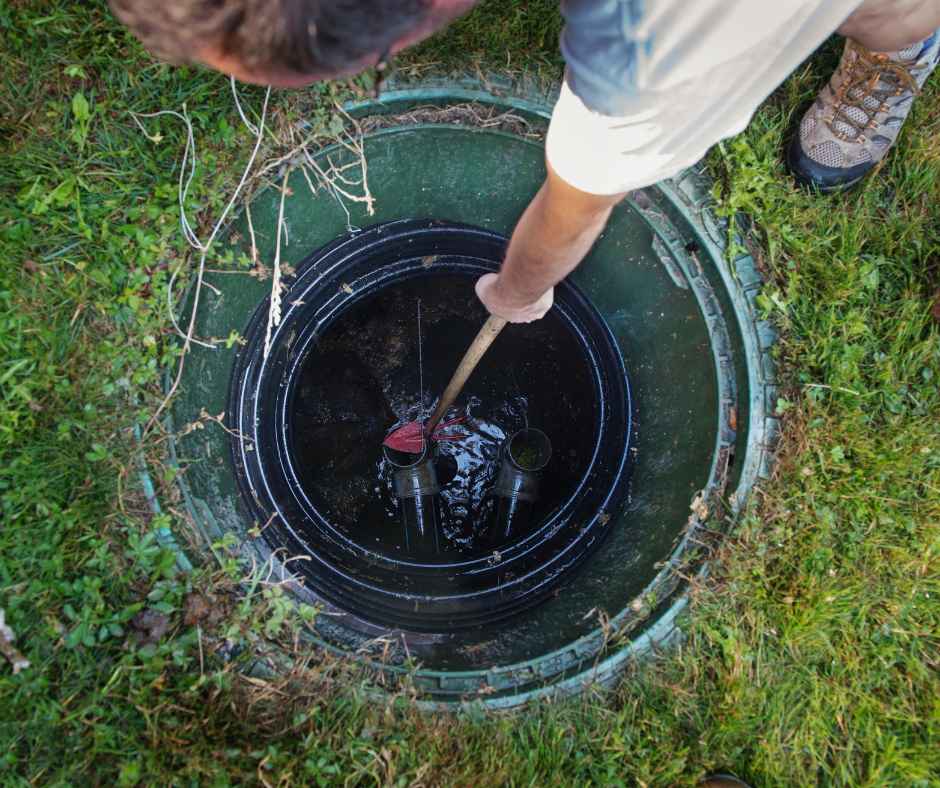
Southwest Missouri clay soil can slow drainage, hold excess water, and put extra stress on septic drainfields. Homeowners can protect their septic systems by pumping regularly, limiting water overload, keeping heavy equipment off the drainfield, and calling a professional when signs of failure appear.
Southwest Missouri homeowners deal with soil conditions that can be tough on septic systems. The region’s clay-heavy ground, rocky layers, seasonal storms, and uneven terrain can all affect how wastewater moves through the soil. A septic system does not just depend on the tank. It also depends on the ground around it.
In this guide, we will explain how Southwest Missouri clay affects your septic system, what warning signs to watch for, and what maintenance steps can help prevent expensive repairs. If your home relies on a septic system, understanding your soil is one of the best ways to protect your property.
Why Southwest Missouri Clay Soil Affects Septic Systems
A septic system works by collecting wastewater from your home, separating solids in the tank, and sending liquid wastewater into the drainfield. The drainfield then uses soil to filter and absorb that wastewater.
Clay soil makes this process more difficult because it is dense and slow-draining. Unlike sandy soil, which allows water to move through quickly, clay holds moisture and compacts easily. That means wastewater may stay near the drainfield longer than it should.
In Southwest Missouri, septic systems may also deal with:
- Heavy spring and summer rainfall
- Rocky or shallow soil conditions
- Sloped yards and uneven drainage
- Clay layers that hold water near the surface
- Cherty gravel or fractured bedrock beneath the topsoil
- Seasonal ground saturation after storms
When the soil cannot absorb wastewater efficiently, the system has fewer options for recovery after heavy use. This is why clay soil does not always cause immediate septic failure, but it does make regular maintenance more important.
How Clay Soil Puts Stress on Your Septic System
Clay soil can affect your septic system in several ways. Some issues develop slowly over time, making them easy to miss until the system starts showing obvious warning signs.
Common clay-related septic problems include:
- Slow wastewater absorption in the drainfield
- Standing water above or near septic lines
- Soil compaction from vehicles, trailers, or equipment
- Drainfield overload during heavy rain
- Increased risk of backups when household water use is high
- Reduced airflow in the soil around the drainfield
- Longer recovery time after storms or large water use
The drainfield is one of the most important parts of your septic system. If wastewater cannot move through the soil properly, it may rise toward the surface, back up into the home, or overload the tank and lines.
This is especially important for homes with large families, frequent laundry use, older septic systems, or properties that already struggle with drainage.
Signs Clay Soil May Be Affecting Your Septic System
Many septic problems start small. A slow drain or a damp area in the yard may not seem urgent, but in clay-heavy soil, those signs can indicate a larger issue.
Watch for these warning signs:
- Toilets that flush slowly
- Gurgling sounds in sinks, tubs, or toilets
- Multiple drains running slowly at the same time
- Sewage odors inside the home
- Sewage odors near the septic tank or drainfield
- Wet, spongy, or muddy areas in the yard
- Grass that is unusually green over the drainfield
- Water pooling after normal household use
- Wastewater backing up into tubs, showers, or floor drains
- Septic alarms, if your system has an alarm panel
One slow fixture may be a simple plumbing clog. Several slow drains at once may mean the septic system needs attention. Odors, backups, and standing water should never be ignored.
Septic Maintenance Tips for Southwest Missouri Clay
The best way to protect a septic system in clay soil is to reduce overload. Your system needs enough time and space to separate solids, move wastewater, and allow the drainfield to absorb liquid safely.
A smart maintenance plan should include the following steps.
Pump the Septic Tank on a Regular Schedule
Septic pumping removes solids before they build up and move into the drainfield. When solids enter the drainfield, they can clog lines and soil pores. In clay soil, this can be especially damaging because the soil already drains slowly.
Most homes need septic pumping every three to five years, but your schedule may vary based on:
- Household size
- Septic tank size
- Water usage
- Age of the system
- Garbage disposal use
- Frequency of guests or gatherings
- Drainfield condition
- Soil and drainage conditions
Homes in clay-heavy areas should not wait for a backup before scheduling service. Preventive pumping is much less expensive than drainfield repair or replacement.
Reduce Water Overload in the Home
Clay soil can struggle to absorb large amounts of water at once. When too much water enters the septic system in a short period, the tank may push liquid into the drainfield before solids settle properly.
Good water habits include:
- Spacing laundry loads throughout the week
- Fixing leaking faucets quickly
- Repairing running toilets as soon as possible
- Using high-efficiency toilets and showerheads
- Avoiding back-to-back long showers
- Running dishwashers and washing machines at different times
- Limiting unnecessary water use after heavy rain
Small water leaks can create big septic problems over time. A running toilet may send hundreds of extra gallons into the system, which can overwhelm a drainfield in clay soil.
Keep Heavy Weight Off the Drainfield
Clay compacts easily. Once compacted, it becomes harder for water and air to move through the soil. This can reduce the drainfield’s ability to absorb wastewater.
Protect your drainfield by keeping these off the area:
- Cars
- Trucks
- Trailers
- Tractors
- RVs
- Construction equipment
- Storage sheds
- Patios
- Pools
- Livestock pens
- Large piles of soil, gravel, mulch, or firewood
Even occasional driving over the drainfield can damage buried lines or compact the soil. Marking your septic area can help family members, guests, landscapers, and contractors avoid it.
Direct Stormwater Away From the Septic System
Southwest Missouri storms can quickly saturate clay soil. If roof runoff, driveway drainage, or yard water flows toward the septic system, the drainfield may stay wet too long.
To protect the system:
- Point downspouts away from the drainfield
- Keep sump pump discharge away from septic components
- Avoid draining water softeners into areas that overload the system
- Fill low spots that collect water near the drainfield
- Maintain positive yard grading where possible
- Keep drainage ditches clear
- Watch for pooling after heavy rain
The goal is to keep clean stormwater separate from septic wastewater. The less outside water entering the drainfield area, the better the system can function.
Be Careful About What Goes Down the Drain
A septic system needs the right balance of water, bacteria, and settled solids. Certain products can clog pipes, disrupt the tank, or increase the amount of solids that must be pumped.
Do not flush or drain:
- Baby wipes
- Disinfecting wipes
- Paper towels
- Feminine hygiene products
- Cotton swabs
- Dental floss
- Grease, fats, or cooking oil
- Coffee grounds
- Large amounts of food scraps
- Paint
- Solvents
- Pesticides
- Harsh chemicals
- Excessive antibacterial cleaners
Even wipes labeled as flushable can cause septic problems. Toilet paper and human waste are the only items that should be flushed.
What to Know Before Installing or Replacing a Septic System
If you are building a home, replacing an old system, or buying rural property in Southwest Missouri, soil conditions should be evaluated before making septic decisions. Clay soil, bedrock depth, slope, and groundwater concerns all matter.
A professional septic evaluation may look at:
- Soil texture
- Soil depth
- Drainage rate
- Slope of the property
- Distance from wells or water sources
- Available space for a drainfield
- Seasonal water movement
- Existing system condition
- Local permitting requirements
Some properties may need a conventional septic system. Others may need an alternative design because the soil does not absorb wastewater fast enough.
Possible options may include:
- Conventional septic system
- Mound system
- Low-pressure distribution system
- Aerobic treatment unit
- Lagoon system, where approved
- Engineered drainfield design
The right option depends on the property. Septic design should never be based on guesswork, especially in clay-heavy ground.
Seasonal Septic Tips for Southwest Missouri Homeowners
Clay soil changes throughout the year. Paying attention to the seasons can help you spot problems early and prevent avoidable stress on your system.
Spring maintenance tips:
- Watch for wet areas after heavy rain
- Keep gutters clear and pointed away from the drainfield
- Check for odors around the yard
- Avoid driving over soft soil
- Schedule service if the drains slow down after storms
Summer maintenance tips:
- Limit major water surges during dry-to-wet weather swings
- Keep landscaping roots away from septic lines
- Mark the drainfield before mowing or yard work
- Avoid placing pools or temporary structures over the system
- Check for unusually green grass over the drainfield
Fall maintenance tips:
- Schedule pumping if the tank is due
- Clear leaves from drainage areas
- Prepare the yard for winter runoff
- Fix plumbing leaks before cold weather
- Review the system location before outdoor projects
Winter maintenance tips:
- Keep vehicles off the drainfield
- Avoid piling snow or heavy debris over septic lines
- Use water consistently, but avoid overload
- Be careful during holiday gatherings with extra guests
- Call for service if backups or odors appear
When to Call Reed’s for Septic Help
Some septic issues can be prevented with good habits, but system problems should be handled by professionals. Waiting too long can lead to sewage backups, yard damage, contaminated groundwater, and expensive excavation.
Call Reed’s Plumbing, Excavating, Septic, Heating & Air if you notice:
- Sewage odors inside or outside the home
- Slow drains throughout the house
- Standing water near the septic tank
- Wet or spongy ground over the drainfield
- Toilet backups
- Gurgling plumbing
- Septic alarms
- Drainage problems after storms
- Unknown septic tank location
- No record of recent septic pumping
Reed’s can help with septic service, excavation, plumbing repairs, and drainage concerns. That matters because septic problems often connect to more than one part of the property. A clogged line, a damaged pipe, poor grading, or an overloaded drainfield can all cause similar symptoms.
Why Preventive Septic Care Is Worth It
A septic system is easy to forget when it is working properly. But in Southwest Missouri clay soil, neglect can become expensive.
Preventive care helps homeowners:
- Extend the life of the septic system
- Reduce the risk of emergency backups
- Protect the drainfield
- Avoid unnecessary excavation
- Keep wastewater away from wells and waterways
- Maintain property value
- Catch minor problems before they become major repairs
- Protect the health and safety of the household
A septic tank pumping appointment or inspection costs far less than replacing a failed drainfield. The earlier you act, the more options you usually have.
Whatever You Need, Call Reed’s
Southwest Missouri clay can have a hidden but serious impact on your septic system. Because clay drains slowly, holds water, and compacts easily, your tank and drainfield need consistent maintenance to work properly. Regular pumping, smart water use, careful drainfield protection, and proper stormwater management can help your system last longer and reduce the risk of costly repairs.
For trusted septic, plumbing, excavating, heating, and air service in Southwest Missouri, Reed’s Plumbing, Excavating, Septic, Heating & Air is ready to help. Contact us today to schedule septic maintenance, request an inspection, or talk with a local professional about protecting your system.
Schedule now
Call reed’s today!
Need help with your home systems? Reed’s makes it simple to get the service you need with fast response times and a team that puts your comfort first.