Serving Springfield, MO and Surrounding Areas


4.8 Google Rating
Why Is My Air Conditioner Blowing Warm Air? 7 Common Causes Before You Call for AC Repair

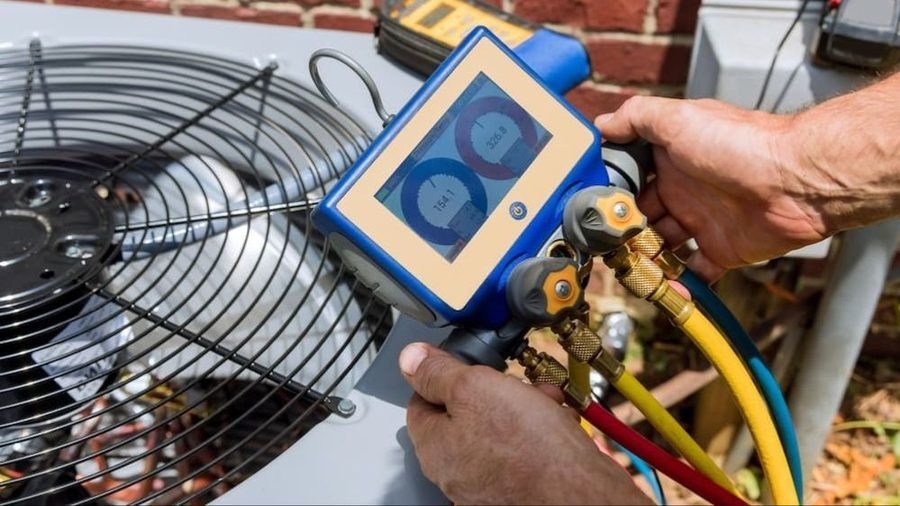
Few home comfort problems are more frustrating than turning on the air conditioner and feeling warm air coming from the vents. In some cases, the cause is a simple thermostat setting or a dirty air filter. In others, the system may have a frozen coil, a refrigerant leak, an electrical problem, or a failing component that requires professional AC repair.
The key is knowing which checks are safe to perform and when continuing to run the system could worsen the problem.
In this guide, we will explain seven common reasons an air conditioner blows warm air, what you can check on your own, and when to call Reed’s Plumbing, Excavating, Septic, Heating & Air for AC repair service.
1. Your Thermostat Is Set Incorrectly
Before assuming the air conditioner has a mechanical problem, check the thermostat. An incorrect setting can cause the system to circulate room-temperature air instead of actively cooling the home.
Make sure the thermostat is set to “Cool” and that the temperature is several degrees below the current indoor temperature. If the thermostat is set to “Heat,” the system will not provide cooling.
The fan setting also matters. When the fan is set to “On,” the blower may continue running even when the outdoor AC unit is not cooling. This can make it seem like the air conditioner is blowing warm air between cooling cycles.
Setting the fan to “Auto” allows it to run only when the system is actively heating or cooling.
Also check for:
-
A programmed schedule that changed the temperature
-
A temporary hold or vacation setting
-
Weak or dead thermostat batteries
-
A blank or unresponsive display
-
A smart thermostat that has lost power or connectivity
If the thermostat settings look correct but the air remains warm, move on to the next possible cause.
2. The Air Filter Is Dirty or Clogged
A dirty air filter is one of the most common causes of poor AC performance. The filter traps dust, pet hair, pollen, and other airborne particles before they enter the HVAC system. As debris builds up, airflow becomes restricted.
Without sufficient airflow, the air conditioner may struggle to distribute cool air throughout the home. The system may run longer, cool unevenly, or eventually cause the evaporator coil to freeze.
Check the filter and replace it if it appears dirty or clogged. Most filters should be checked monthly during periods of heavy use, although the replacement schedule depends on the filter type, household size, pets, and indoor air quality concerns.
A dirty filter may also cause:
-
Weak airflow from vents
-
Longer cooling cycles
-
Higher energy bills
-
Excess dust around the home
-
Hot and cold spots between rooms
-
Ice forming on refrigerant lines
Replacing the filter may improve airflow, but it will not immediately fix every problem. If the coil has already frozen, the system needs time to thaw before cooling can resume.
3. The Outdoor Unit Has Lost Power
A central air conditioning system has both indoor and outdoor components. The indoor blower moves air through the ductwork, while the outdoor unit releases heat from the home.
If the outdoor unit loses power, the indoor fan may continue circulating air even though the system is no longer cooling it. This often results in warm or room-temperature air coming from the vents.
Check the electrical panel for a tripped breaker labeled for the air conditioner, condenser, or HVAC system. You can reset a tripped breaker once by moving it fully to the off position, then back to the on position.
Do not continue resetting a breaker that trips repeatedly. Frequent tripping can indicate an electrical fault, a failing capacitor, damaged wiring, a motor problem, or a compressor issue. These problems require professional diagnosis.
The outdoor unit may also have a nearby disconnect switch. If the switch was accidentally turned off during yard work, maintenance, or another service visit, the condenser will not run.
Never open electrical panels or attempt to repair wiring inside the equipment. HVAC systems use high-voltage electricity and should be serviced by a trained technician.
4. The Evaporator Coil Is Frozen
The evaporator coil absorbs heat from indoor air. When the system is operating correctly, refrigerant flows through the coil while warm household air moves across it.
If airflow becomes too low or the refrigerant level drops, the coil can become excessively cold. Moisture in the air then freezes on the coil, creating a layer of ice that blocks airflow and prevents proper cooling.
Signs of a frozen evaporator coil may include:
-
Warm air from the vents
-
Weak airflow
-
Ice on refrigerant lines
-
Water near the indoor unit
-
Longer run cycles
-
A system that stops cooling completely
If you notice ice, turn the thermostat from “Cool” to “Off.” You can set the fan to “On” to help circulate air across the coil and speed up the thawing process.
Do not scrape or chip ice from the coil. The components are delicate and can be damaged easily.
A frozen coil is often a symptom of another problem, such as a clogged filter, a blocked return vent, a dirty coil, a blower malfunction, or a refrigerant leak. If the system freezes again after thawing, schedule professional AC repair.
5. The Outdoor Condenser Is Dirty or Blocked
The outdoor condenser releases heat collected from inside the home. To work effectively, it needs clear airflow around the cabinet and through the condenser coils.
Leaves, dirt, grass clippings, weeds, and other debris can restrict airflow. When the condenser cannot release heat, the air conditioner may run continuously while producing little or no cool air.
Homeowners can safely perform a few visual checks around the outdoor unit:
-
Remove leaves and loose debris from around the cabinet
-
Trim grass, weeds, and plants near the unit
-
Keep at least two feet of open space around the condenser
-
Move outdoor furniture or stored items away from the equipment
-
Check for visible damage to the cabinet or fan
-
Make sure the top of the unit is not covered
Turn off the power to the equipment before removing debris close to the cabinet.
Avoid using a pressure washer on the condenser coils. High-pressure water can bend the fins and reduce airflow. If the coils are heavily coated with dirt, professional cleaning is the safer option.
6. Your AC May Have a Refrigerant Leak
Refrigerant absorbs heat inside the home and carries it to the outdoor unit. It moves through a sealed system and is not normally consumed during operation.
If the refrigerant level is low, there is usually a leak somewhere in the system. Adding refrigerant without finding and addressing the leak is not a complete repair.
Common signs of a refrigerant problem include:
-
Warm or mildly cool air from vents
-
Ice on the evaporator coil or refrigerant line
-
Hissing or bubbling sounds
-
Long cooling cycles
-
Rising energy bills
-
Uneven temperatures
-
Difficulty reaching the thermostat setting
Refrigerant leaks require professional service. A technician must inspect the system, locate the source of the leak, evaluate the condition of the equipment, and determine the appropriate repair.
Continuing to operate an air conditioner with low refrigerant can place additional strain on the compressor. Because the compressor is one of the system’s most expensive components, prompt service may help prevent more extensive damage.
7. The Compressor or Another Major Component Is Failing
The compressor circulates refrigerant through the air conditioning system. If it fails, the AC cannot effectively remove heat from the home.
Compressor problems are not the only major failures that can cause warm air. The system may also have a bad capacitor, a faulty contactor, a damaged blower motor, a failed condenser fan, a loose electrical connection, or a control board problem.
A capacitor helps motors start and run. When it weakens or fails, you may hear humming, notice that the outdoor fan is not spinning, or see the system struggle to start.
A failing contactor can prevent power from reaching the outdoor components. Blower problems may reduce airflow even when the refrigerant system is cooling properly.
These issues require specialized tools and electrical testing. Do not attempt to touch capacitors, wiring, or internal components. Capacitors can store an electrical charge even after power has been disconnected.
A professional diagnosis can determine whether the system needs a straightforward component replacement or whether age, efficiency, repair history, and overall condition make replacement worthwhile.
What to Check Before Calling for AC Repair
A few basic checks can help rule out simple causes before you schedule service. They can also give the technician useful information about what the system is doing.
Before calling for AC repair, check:
-
The thermostat is set to “Cool”
-
The temperature setting is below the indoor temperature
-
The fan is set to “Auto”
-
The air filter is clean
-
Supply and return vents are open and unobstructed
-
The AC breaker has not tripped
-
The outdoor unit is running
-
Grass and debris are cleared away from the condenser
-
No ice is visible on the indoor coil or refrigerant line
-
No unusual sounds, smells, or leaks are present
Do not continue running the system if you see ice, smell burning, hear loud electrical noises, or notice a breaker that trips repeatedly.
It is also important to avoid closing too many vents in unused rooms. Your HVAC system is designed to move a specific amount of air. Closing multiple vents can increase pressure in the ductwork and reduce system performance.
When Warm Air Means You Need Professional Service
Some air conditioning problems should not be handled through continued troubleshooting. Call a professional when the system does not cool after basic thermostat and filter checks.
You should also schedule service when:
-
The breaker trips more than once
-
Ice returns after the coil thaws
-
The outdoor unit does not start
-
You hear hissing, buzzing, grinding, or banging
-
There is water around the indoor equipment
-
The system runs constantly without reaching the set temperature
-
You smell burning or notice signs of overheating
-
Cooling performance has steadily declined
Turning the system off may help prevent further damage while you wait for service. During hot weather, move children, older adults, pets, and anyone with heat-related health concerns to a cooler location if indoor temperatures become unsafe.
Get Reliable AC Repair From Reed’s
An air conditioner blowing warm air can be caused by something as simple as an incorrect thermostat setting or a dirty filter. It can also signal a frozen coil, a refrigerant leak, an electrical failure, or a compressor problem.
Checking the thermostat, filter, vents, breaker, and outdoor unit can help identify simple issues. When the cause is not obvious or the problem returns, professional diagnosis is the safest way to protect the equipment and restore comfort.
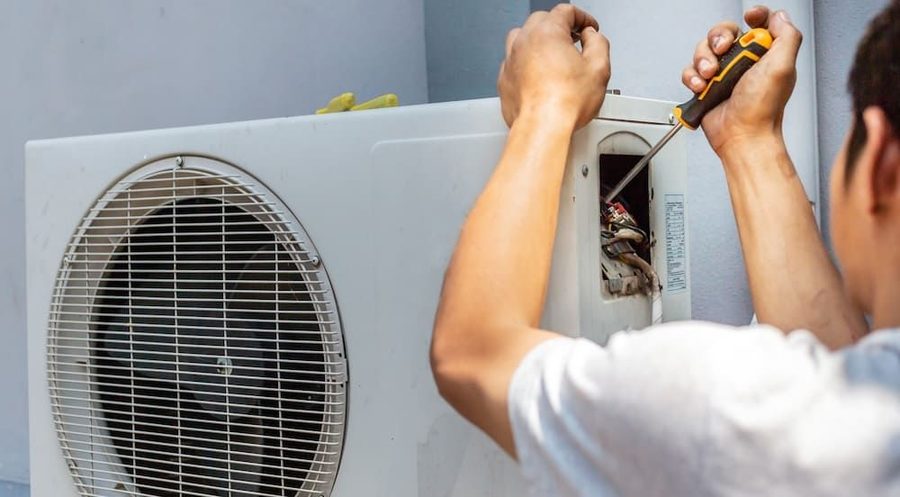
Reed’s Plumbing, Excavating, Septic, Heating & Air provides experienced air-conditioning service for homeowners who need dependable solutions and effective repairs. If your AC is blowing warm air, running constantly, or failing to keep your home comfortable, contact us today to schedule professional AC repair.

Schedule now
Call reed’s today!
Need help with your home systems? Reed’s makes it simple to get the service you need with fast response times and a team that puts your comfort first.