Serving Springfield, MO and Surrounding Areas



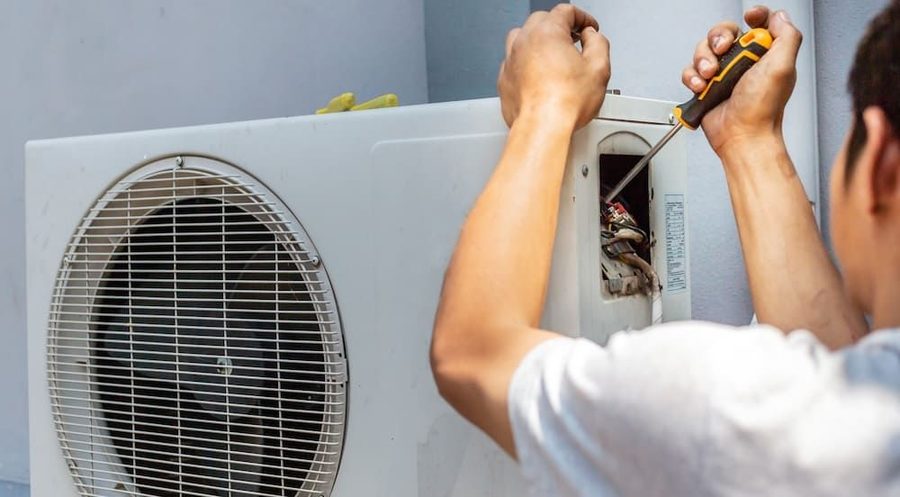
When warm afternoons are still hanging around Springfield, heating maintenance may not be at the top of your fall to-do list. But waiting until you depend on your furnace or heat pump every day can mean discovering a problem at an inconvenient time.
Early fall gives you an opportunity to test your heating system after months of limited use and address certain maintenance needs before colder weather arrives. Whether your home uses a furnace or heat pump, a seasonal checkup can help you head into heating season knowing how your equipment is operating.
When Should You Schedule Heating Maintenance in Springfield?
A practical time to schedule heating maintenance in Springfield is early in the fall, before you begin relying on your furnace or heat pump regularly. Scheduling ahead of colder weather gives you an opportunity to identify certain problems, test heating performance, and address maintenance needs before the system faces heavier seasonal use.
There is no single maintenance date that works for every home. Your equipment manufacturer’s recommendations, system condition, usage, and maintenance history should also guide your schedule.
If your heating system is already malfunctioning, do not wait for a routine fall tune-up. Have the problem evaluated when you notice it.
1. Test Your Heating System Before You Really Need It
Your heating equipment may have seen little or no use during the warmer months. Early fall gives you a chance to make sure it still responds properly before temperatures drop.
On an appropriately cool day, switch your thermostat to heating mode and raise the setting enough to call for heat.
Check whether the system:
-
Starts normally
-
Responds to the thermostat
-
Produces adequate airflow
-
Begins warming your home
-
Runs without unusual noises
-
Operates without unexpected shutdowns
If the furnace or heat pump does not seem to be working correctly, schedule professional HVAC service rather than attempting internal repairs yourself.
2. Address Heating Problems Before Colder Weather
Professional heating maintenance may identify issues that are not immediately obvious during everyday operation.
Depending on your equipment, a technician may discover airflow restrictions, electrical or control problems, deteriorated components, thermostat issues, or concerns involving ignition, burners, or safety controls.
Heat pumps have additional components and operating characteristics that may need attention as the equipment transitions from cooling to heating.
Maintenance cannot guarantee that your HVAC system will never break down. However, identifying existing or developing problems before regular heating season can give you an opportunity to address them sooner.
3. Check Your HVAC Filter
Your HVAC filter plays an important role in maintaining proper airflow through the system. A dirty or overly restrictive filter can interfere with airflow and affect HVAC performance.
Fall is a convenient time to inspect the filter and replace it when appropriate.
Avoid relying on a universal rule that every filter needs to be changed every 30, 60, or 90 days. Replacement frequency varies based on the filter, HVAC system, manufacturer recommendations, household conditions, pets, and how frequently the equipment operates.
Checking the filter’s actual condition is more useful than relying solely on the calendar.
4. Prepare for Springfield’s Changing Fall Temperatures
Fall does not always mean an immediate switch from air conditioning to full-time heating.
During transitional weather, your HVAC system may move between cooling and heating as temperatures change. This is particularly relevant for heat pumps, which provide both functions using the same system.
Testing the heating side before colder weather arrives can help identify problems that may have gone unnoticed while the equipment was primarily operating in cooling mode.
It is also a good opportunity to review thermostat settings so your system is ready for changing indoor comfort needs.
What Happens During a Heating Maintenance Visit?
The exact maintenance process depends on the type, model, condition, and manufacturer requirements of your equipment.
A professional heating maintenance visit may include:
-
Inspecting accessible components
-
Checking electrical connections and controls
-
Evaluating blower operation and airflow
-
Testing thermostat operation
-
Checking applicable safety controls
-
Looking for visible deterioration
-
Evaluating overall system performance
For gas furnaces, maintenance may also involve inspecting burners, ignition components, venting, and combustion-related components where appropriate.
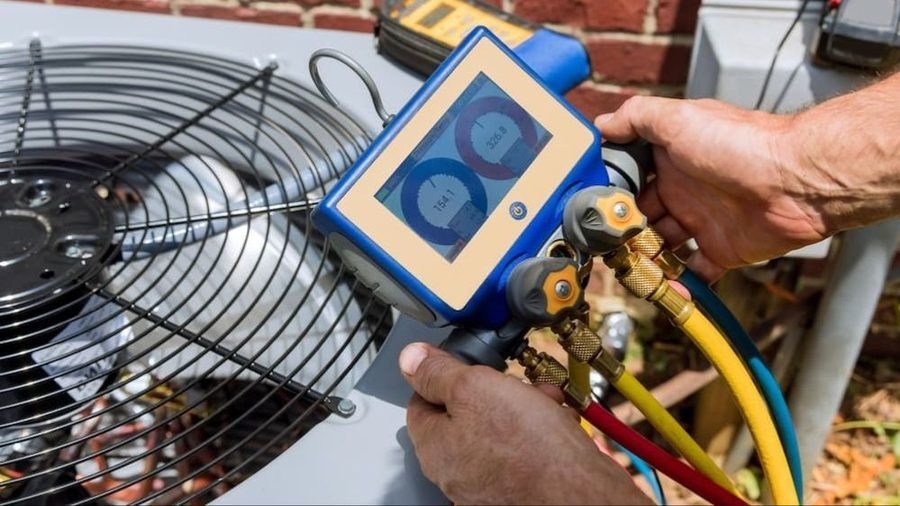
Heat pump maintenance can involve both indoor and outdoor equipment, including airflow, electrical components, coil condition, mode switching, and other system-specific checks.
Furnace Maintenance vs. Heat Pump Maintenance
Although both systems heat your Springfield home, their maintenance needs are not identical.
Furnace Maintenance
Furnaces generate heat rather than transferring it from outdoors. Depending on the furnace type, maintenance may focus on the blower, electrical components, ignition system, burners, venting, and applicable safety controls.
Heat Pump Maintenance
Heat pumps transfer heat and operate as both heating and cooling systems. Maintenance may involve the indoor and outdoor units, electrical components, airflow, coils, refrigerant-system performance, and the system’s ability to transition between modes.
Following manufacturer-specific maintenance requirements is important for either system.
Is a Burning Smell Normal When You First Turn On the Heat?
A brief dusty odor can sometimes occur when a heating system runs for the first time after months of inactivity.
That does not mean every burning smell should be ignored.
Persistent burning odors, electrical or melting-plastic smells, visible smoke, soot, or scorching can indicate a problem that deserves professional attention.
If you smell gas, leave the area and follow the emergency instructions provided by your gas utility or local emergency authorities.
5. Check Your Thermostat
Before heating season, confirm that your thermostat is ready for the transition.
Make sure it is set to the correct mode, review programmed schedules, and replace batteries if your model uses them. If you have a smart thermostat, verify that it is properly configured for your HVAC equipment.
A thermostat problem can sometimes resemble a heating equipment problem, so it should be considered when diagnosing unusual system behavior.
6. Keep Supply and Return Vents Clear
Take a quick walk through your home and make sure furniture, rugs, curtains, and other belongings are not blocking supply or return vents.
Avoid routinely closing supply vents in unused rooms unless your HVAC system is specifically designed to operate that way.
If certain rooms have noticeably weak airflow or remain uncomfortable while others heat normally, the issue could involve the filter, ductwork, blower, system design, or another HVAC problem.
Signs Your Heating System Needs Service Before Winter
Schedule professional heating service if you notice:
-
Furnace or heat pump will not start
-
Frequent cycling
-
Weak or uneven airflow
-
Difficulty maintaining the thermostat setting
-
Banging, grinding, buzzing, or unusual rattling
-
Persistent unusual odors
-
Repeated breaker trips
-
Unexpected shutdowns
-
Abnormal or persistent ice buildup on a heat pump
These symptoms can have multiple causes, so professional diagnosis is important.
Don’t Forget Carbon Monoxide Safety
If your home has fuel-burning equipment, check your carbon monoxide alarms according to manufacturer instructions. Replace batteries or the alarms themselves when required.
Carbon monoxide alarms are important safety devices, but they are not substitutes for proper furnace inspection and maintenance.
If a carbon monoxide alarm activates, leave the home and follow appropriate emergency guidance.
Schedule Fall Heating Maintenance With Reed’s Plumbing, Excavation, Heating & Air
You do not have to wait for Springfield’s first cold stretch to find out whether your heating system is ready. Early fall is a practical time to check your filter and thermostat, test your heat, look for warning signs, and schedule professional maintenance.
Contact Reed’s Plumbing, Excavation, Heating & Air to schedule heating maintenance in Springfield. Our team can inspect your furnace or heat pump, identify potential concerns, and help prepare your HVAC system for the colder months ahead.
Schedule now
Call reed’s today!
Need help with your home systems? Reed’s makes it simple to get the service you need with fast response times and a team that puts your comfort first.