Serving Springfield, MO and Surrounding Areas


4.8 Google Rating
5 Signs It’s Time to Replace Your Furnace Before Another Springfield Winter
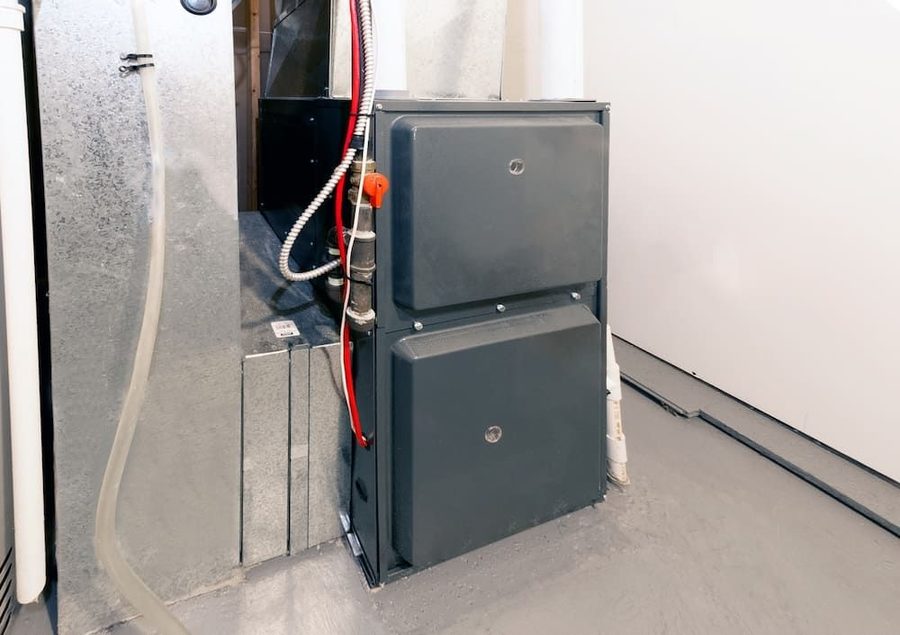
Winter in Springfield, Missouri, brings freezing temperatures, chilly nights, and occasional snow and ice storms. When temperatures drop, homeowners depend on their furnaces to provide reliable heating throughout the season.
However, an aging furnace may struggle to keep up with winter heating demands. Recognizing the warning signs of a failing system can help you avoid unexpected breakdowns and costly emergency repairs.
If you’re wondering whether your furnace will make it through another Springfield winter, here are five signs that it may be time to consider replacement.
How Do You Know When It’s Time to Replace Your Furnace?
It may be time to replace your furnace if it’s approaching 15–20 years old, requires frequent repairs, causes unusually high heating bills, struggles to heat your home evenly, or produces persistent unusual noises.
However, these symptoms don’t automatically mean you need a new furnace. A professional inspection can determine whether repairs are sufficient or replacement is the better long-term solution.
1. Your Furnace Is 15–20 Years Old
Most residential furnaces have an expected lifespan of approximately 15–20 years, although actual longevity depends on maintenance, installation quality, and operating conditions.
As furnaces age, internal components experience wear that may affect performance and reliability.
Older systems may also operate less efficiently than modern heating equipment.
Should You Replace a Furnace That’s Still Working?
Not necessarily.
A well-maintained furnace may continue operating reliably beyond its expected lifespan.
However, if your system is approaching 20 years old, it’s worth evaluating its condition before another Springfield winter.
Consider:
-
How frequently the furnace needs repairs
-
Whether replacement parts remain available
-
How efficiently the system operates
-
Whether it consistently maintains comfortable temperatures
-
The cost of future repairs compared with replacement
Planning ahead gives you time to explore options without the pressure of an unexpected heating emergency.
2. You’re Scheduling Frequent Furnace Repairs
Occasional furnace repairs are normal, especially as heating equipment ages.
However, repeated breakdowns may indicate that multiple components are deteriorating.
If you’re calling for furnace repair several times each heating season, continuing to invest in an aging system may become increasingly expensive.
When Is Furnace Replacement Better Than Repair?
Furnace repair may be appropriate when:
-
Your system is relatively new.
-
The problem involves one repairable component.
-
Repair costs are reasonable.
-
The furnace otherwise operates reliably.
Furnace replacement may be appropriate when:
-
Your furnace is nearing the end of its lifespan.
-
Multiple components are failing.
-
Repair expenses continue increasing.
-
Replacement parts are difficult to obtain.
-
Serious safety concerns are present.
A qualified HVAC technician can evaluate the system and explain the available options.
3. Your Winter Heating Bills Keep Increasing
Have your heating bills increased even though your household habits haven’t changed?
An aging furnace may lose efficiency because of worn components, airflow restrictions, or other mechanical problems.
When a furnace operates inefficiently, it may consume more energy to maintain comfortable indoor temperatures.
However, higher utility bills aren’t always caused by furnace problems.
Outdoor temperatures, energy rates, insulation, and thermostat settings also influence heating costs.
Can a New Furnace Lower Your Heating Bills?
Replacing an older, inefficient furnace with modern high-efficiency equipment may reduce energy consumption.
Furnace efficiency is commonly measured using Annual Fuel Utilization Efficiency (AFUE).
A furnace with a higher AFUE rating converts a greater percentage of its fuel into usable heat under standardized testing conditions.
Actual energy savings depend on:
-
Your existing furnace’s efficiency
-
The replacement system’s AFUE rating
-
Local energy costs
-
Home insulation and air leakage
-
Equipment sizing and installation quality
Before recommending replacement, an HVAC professional should evaluate whether maintenance or repairs could improve your current system’s performance.
4. Your Furnace Struggles to Heat Your Springfield Home Evenly
A properly functioning furnace should provide consistent heating throughout your home.
If certain rooms remain cold while others become too warm, your heating system may need attention.
Common warning signs include:
-
Uneven temperatures between rooms
-
Weak airflow from heating vents
-
A furnace that runs continuously
-
Difficulty reaching thermostat settings
-
Frequent cycling on and off
These symptoms can become particularly noticeable during Springfield’s colder winter nights.
Does Uneven Heating Mean You Need a New Furnace?
Not always.
Uneven heating can result from dirty air filters, blocked vents, ductwork leaks, thermostat problems, or inadequate insulation.
However, an aging or improperly sized furnace may also struggle to meet your home’s heating requirements.
A professional inspection can identify the underlying cause.
If your furnace can no longer provide sufficient heating despite appropriate repairs, replacement may be the best option.
5. Your Furnace Makes Unusual Noises or Shows Safety Warning Signs
Furnaces produce some normal operating sounds, including airflow and occasional clicking during startup.
However, persistent banging, grinding, rattling, or buzzing may indicate mechanical problems.
Potential causes include worn blower components, loose parts, or electrical issues.
Unusual noises shouldn’t be ignored, particularly when accompanied by poor heating performance or repeated shutdowns.
Furnace Safety Signs You Should Never Ignore
Some symptoms require immediate attention:
-
Strong burning or electrical odors
-
Visible smoke or unusual soot buildup
-
Repeated safety shutdowns
-
Suspected heat exchanger damage
-
A carbon monoxide alarm sounding
-
A rotten egg smell indicating a possible gas leak
Carbon monoxide is odorless, so working carbon monoxide alarms are essential in homes with fuel-burning equipment.
If a carbon monoxide alarm sounds, evacuate and contact emergency services from outside.
If you suspect a natural gas leak, leave immediately, avoid operating electrical devices indoors, and contact your gas utility or emergency services from a safe location.
Serious safety defects may require extensive repairs or furnace replacement.
Why Fall Is a Good Time for Furnace Replacement in Springfield
Fall is an ideal time to evaluate your furnace before Missouri’s colder temperatures arrive.
Scheduling a heating inspection early allows you to identify problems before your system faces heavier winter demand.
If replacement is necessary, planning ahead provides time to compare equipment options and schedule installation.
What Happens During Professional Furnace Installation?
A professional installation typically involves:
-
Evaluating your home’s heating requirements
-
Performing an appropriate heating load calculation
-
Selecting properly sized equipment
-
Reviewing efficiency options
-
Inspecting ductwork and venting requirements
-
Installing and testing the new system
-
Verifying safe operation and thermostat settings
Proper sizing is essential. An oversized or undersized furnace can create comfort and performance problems.
Springfield Furnace Replacement Checklist
Before another winter arrives, review your heating system:
-
Check your furnace’s age.
-
Review recent repair expenses.
-
Compare heating bills from previous winters.
-
Watch for uneven heating or weak airflow.
-
Listen for unusual furnace noises.
-
Pay attention to frequent shutdowns.
-
Test smoke and carbon monoxide alarms.
-
Schedule a professional furnace inspection.
-
Discuss repair and replacement options.
-
Plan necessary installation before severe cold.
Prepare for Another Springfield Winter With Reed’s Plumbing, Excavation, Heating & Air
An aging furnace doesn’t always need immediate replacement, but frequent repairs, rising heating costs, uneven temperatures, and unusual noises can indicate that your system is nearing the end of its useful life.
Evaluating these warning signs before winter can help you make an informed decision and avoid unexpected heating problems.
Reed’s Plumbing, Excavation, Heating & Air provides professional heating services for homeowners in Springfield, MO, and surrounding communities.
Whether your furnace needs repairs or you’re considering a new heating system, the team can help evaluate your options.
Contact Reed’s Plumbing, Excavation, Heating & Air today to schedule a furnace inspection or replacement consultation before another Springfield winter arrives.
Schedule now
Call reed’s today!
Need help with your home systems? Reed’s makes it simple to get the service you need with fast response times and a team that puts your comfort first.