Serving Springfield, MO and Surrounding Areas


4.8 Google Rating
What Happens During a Sewer Camera Inspection in Springfield?

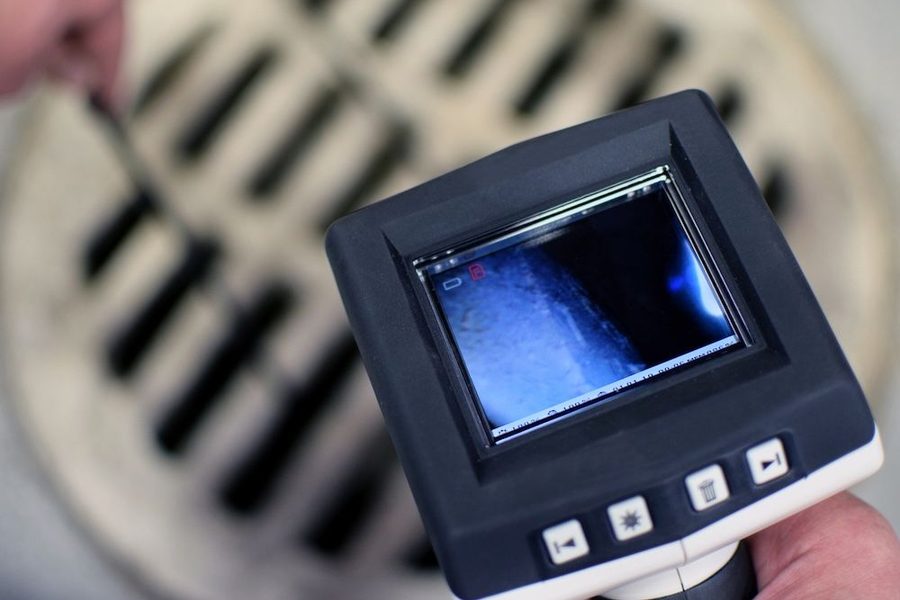
When a sewer line develops a problem, figuring out exactly what is happening can be difficult because most of the pipe is hidden underground. Recurring clogs, sewage backups, multiple slow drains, and other plumbing problems may point to an issue inside the main sewer line, but determining the cause requires more than guesswork.
A sewer camera inspection gives plumbers a direct look inside accessible portions of the sewer pipe without immediately digging up your property. For Springfield homeowners dealing with persistent sewer problems, this diagnostic service can help identify visible blockages, tree roots, damaged pipes, and other concerns so the appropriate next step can be determined.
What Is a Sewer Camera Inspection?
During a sewer camera inspection, a plumber inserts a small waterproof camera attached to a flexible cable into an accessible plumbing cleanout or another appropriate access point. As the camera moves through the sewer line, it sends video to a monitor so the plumber can examine the inside of the pipe.
A sewer camera may reveal conditions such as:
-
Tree root intrusion
-
Cracks or broken pipe
-
Separated or offset joints
-
Grease and debris buildup
-
Foreign objects
-
Visible pipe deterioration
-
Areas of standing water
The inspection itself does not clean or repair the sewer. Instead, it provides valuable information that can help determine what service may be needed.
Why Would You Need a Sewer Camera Inspection?
Not every plumbing problem requires a camera inspection. A single slow bathroom sink, for example, could simply have a localized clog.
A sewer camera becomes more useful when symptoms suggest a deeper or recurring problem. Springfield homeowners may benefit from an inspection when experiencing:
-
Repeated drain clogs
-
Multiple drains slowing simultaneously
-
Recurring sewer backups
-
Gurgling drains or toilets
-
Problems returning soon after drain cleaning
-
Suspected tree root intrusion
-
Possible sewer line damage
-
Unexplained main sewer line problems
A camera inspection may also be used when planning certain sewer repairs or evaluating the condition of an accessible sewer line before purchasing a home.
What Happens Before a Sewer Camera Inspection?
Before inserting a camera, the plumber will typically gather information about the problem.
Discussing Your Plumbing Symptoms
Expect questions about which fixtures are affected, how long the problem has occurred, whether backups have happened before, and whether the sewer has recently been cleaned or repaired.
These details can help determine where the problem may be located and whether a camera inspection is appropriate.
Finding Sewer Line Access
A plumbing cleanout often provides convenient access to the sewer line when one is available and accessible. The appropriate entry point depends on the home’s plumbing configuration.
Homeowners generally should not attempt to open a sewer cleanout themselves. Wastewater or pressure may be present depending on the condition of the line.
Determining Whether Cleaning Is Needed First
A sewer camera cannot necessarily see through a severe blockage or murky standing water.
If the line is heavily clogged, sewer cleaning may need to occur before the camera can provide a useful view of the pipe walls. In some cases, cleaning and camera inspection are used together to investigate recurring problems.
What Happens During the Sewer Camera Inspection?
The inspection process allows the plumber to visually evaluate the sewer line from inside.
Step 1: The Camera Enters the Sewer Line
The technician feeds a waterproof plumbing camera into an appropriate access point. The camera is attached to a flexible cable designed to travel through accessible sections of sewer piping.
Step 2: The Camera Moves Through the Pipe
As the camera advances, the technician watches the video feed in real time.
The goal is not simply to reach the end of the line. The technician is looking at the condition of the pipe and watching for abnormalities that could explain your plumbing symptoms.
Step 3: Potential Problems Are Identified
The camera may reveal roots, debris, broken sections, deterioration, joint problems, or other visible conditions.
Depending on the equipment and service, images or video may also be recorded for additional review.
Step 4: The Findings Are Explained
Once the inspection is complete, the plumber can explain what was visible and recommend appropriate next steps if a problem was found.
What Can a Sewer Camera Inspection Find?
One of the biggest advantages of sewer camera inspection is the ability to see problems that would otherwise remain hidden underground.
Tree Root Intrusion
Tree roots can enter sewer lines through openings, cracks, or compromised joints. Once inside, they may expand and collect debris, contributing to recurring blockages.
A camera can often show visible roots inside the pipe. However, removing roots does not necessarily repair the opening that allowed them to enter.
Cracked or Broken Sewer Pipes
Camera footage may reveal visible cracks, fractures, separated joints, or broken sections of pipe.
The appropriate repair depends on the type and extent of damage, pipe material, location, and overall condition of the sewer line.
Grease and Debris Buildup
Accumulated material can restrict a sewer line and contribute to recurring drainage problems. An inspection can help determine whether additional sewer cleaning may be appropriate.
Pipe Deterioration
Different sewer pipe materials can experience deterioration over time. A camera can provide information about visible interior conditions, although the age of a sewer line alone does not mean it needs replacement.
Standing Water
A camera may reveal sections where water remains in the pipe.
Standing water can have several possible causes, including a restriction or a problem with the pipe’s grade or alignment. Additional evaluation may be necessary to determine exactly why it is occurring.
What Can a Sewer Camera Inspection Not Tell You?
A sewer camera is a useful diagnostic tool, but it has limitations.
The camera primarily shows what is visible from inside the pipe. It generally cannot directly show surrounding soil conditions or everything happening outside the sewer line.
It also may not identify every small leak or determine exactly where water is escaping through a damaged area.
When precise underground location or depth information is needed, camera equipment may be paired with compatible locating technology. Other diagnostic methods may also be necessary depending on the problem.
A camera should therefore be viewed as one diagnostic tool rather than a guaranteed answer to every sewer issue.
How Long Does a Sewer Camera Inspection Take?
There is no universal timeframe for a sewer camera inspection.
How long the process takes can depend on:
-
Sewer line length
-
Accessibility
-
Number and severity of blockages
-
Pipe configuration
-
Overall sewer condition
-
Whether cleaning is needed first
A straightforward inspection may be relatively quick, while a difficult or obstructed sewer system can require additional time.
Does a Sewer Camera Inspection Require Digging?
In many cases, a sewer camera inspection can examine the inside of a sewer line without digging up the yard.
When an accessible cleanout or another appropriate entry point is available, the camera can be inserted directly into the plumbing system.
This can help plumbers gather information before recommending excavation. However, if the inspection reveals significant pipe damage, excavation or another sewer repair method may ultimately be necessary.
Can a Sewer Camera Find Tree Roots?
Yes. A sewer camera can often identify roots that have already entered the sewer pipe.
Camera footage can show the visible intrusion and help determine how significantly roots are affecting the line. What it cannot always determine by itself is the full condition of the pipe surrounding the intrusion.
If roots repeatedly return after cleaning, there may be an underlying opening or damaged section that needs further evaluation.
Should You Get a Sewer Camera Inspection Before Buying a Home?
Some Springfield homebuyers may choose to schedule a sewer camera inspection for additional information about a property’s buried sewer line.
A standard home inspection has limitations when it comes to evaluating the interior of underground sewer piping. A camera inspection can provide a view of accessible portions of the line and potentially identify visible concerns before closing.
However, a clear camera inspection cannot guarantee that a sewer line will never experience a future problem.
Sewer Camera Inspection vs. Sewer Cleaning
Sewer camera inspection and sewer cleaning serve different purposes.
A sewer camera inspection helps diagnose visible conditions inside the line. Sewer cleaning removes certain clogs, roots, and buildup.
If a clog is removed but repeatedly returns, a camera inspection may help reveal why. Conversely, if a blockage prevents the camera from seeing the pipe, cleaning may need to happen before a useful inspection can be completed.
Depending on the problem, the two services can complement each other.
What Happens After a Sewer Camera Inspection?
The next step depends on what the inspection reveals.
If buildup or an obstruction is present, sewer cleaning or hydro jetting may be recommended when appropriate.
If the camera reveals structural damage, repair options depend on the severity, location, accessibility, pipe material, and overall condition of the line. Solutions can range from a targeted repair to more extensive sewer line replacement.
If the sewer appears clear, the plumber may investigate other potential causes of your drainage problem.
Schedule a Sewer Camera Inspection in Springfield With Reed’s
Recurring sewer problems should be diagnosed before deciding on a repair. A sewer camera inspection can provide valuable information about what is happening inside your sewer line without immediately resorting to excavation.
Reed’s Plumbing, Excavation, Heating & Air helps Springfield homeowners diagnose and resolve sewer problems with services including sewer camera inspections, sewer cleaning, excavation, and sewer line repair.
If you are experiencing repeated clogs, backups, slow drains, or other signs of a sewer line problem, contact Reed’s Plumbing, Excavation, Heating & Air to schedule a professional sewer camera inspection in Springfield.

Schedule now
Call reed’s today!
Need help with your home systems? Reed’s makes it simple to get the service you need with fast response times and a team that puts your comfort first.